SUBSCRIBE TO THE NEWSLETTER AND RECEIVE A 10% DISCOUNT ON YOUR NEXT PURCHASE BY EMAIL

Archive for Category: Insights

follia nell’arte
Insights

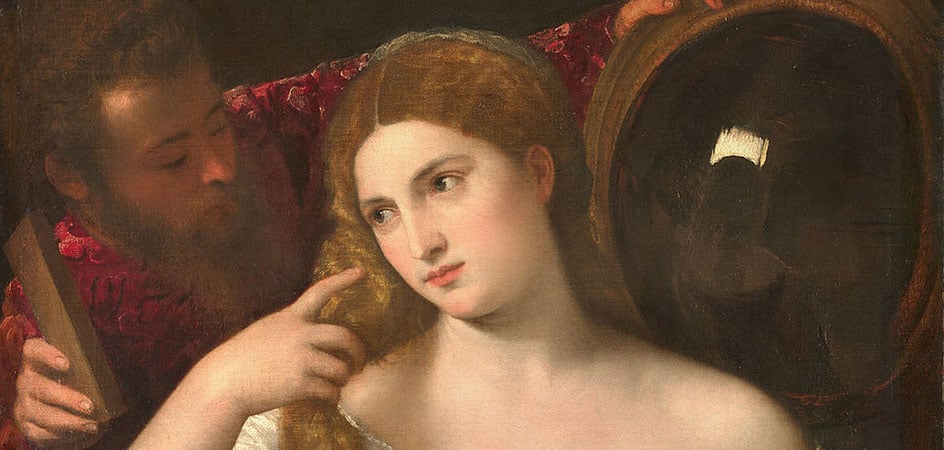
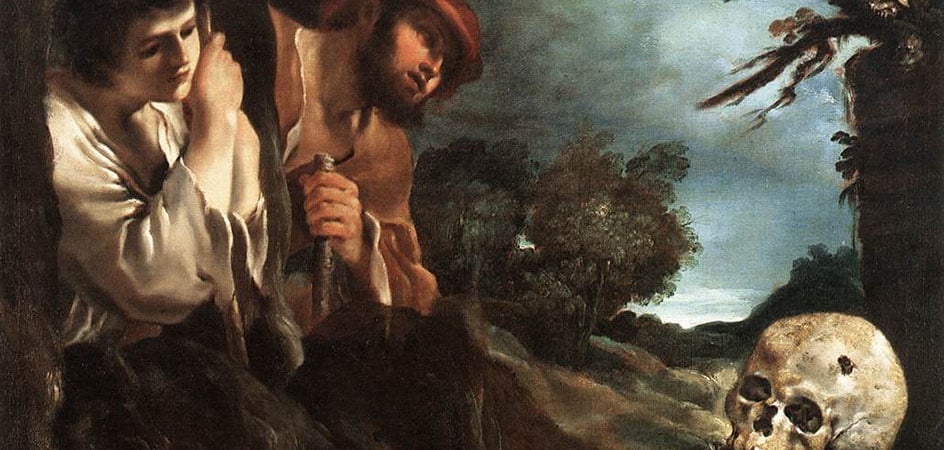
Madness in art from the Middle Ages to the Renaissance: symbols and revelations

Madness, with its medical, physiological and social implications, is one of the most complex subjects to define. Broadly understood as a deviation from what is considered “normal” (another concept that is equally wide-ranging and uncertain), it has long attracted the attention of intellectuals, scientists and artists. The latter, in particular, have portrayed it through different forms and approaches, which vary according to the period and the sensitivity of each artist.
Precisely because the manifestations of madness are manifold – and the interpretations just as numerous – this article focuses on some of the most well-known and still meaningful examples today, dating from the period between the Middle Ages and the Renaissance.

Read more »
dante ferretti fellini
Insights

Dante Ferretti, the architect of dreams between cinema, set design and Fellinian visions

A curious recurrence happily marks Italian culture: the presence of at least two Dantes among the most significant figures of its past and present. The Divine Poet, author of the celebrated Commedia; and Dante Ferretti, an award-winning set and costume designer who has worked alongside directors such as Pier Paolo Pasolini, Federico Fellini, Terry Gilliam and Martin Scorsese. Let’s retrace the key moments of his career and revisit, as if in an art-house screening, some of the most iconic titles signed by this “living legend” of world cinema.

Read more »
miniatura arte
Insights

The art of miniature painting between the Middle Ages and the Renaissance: techniques, history and masterpieces

Long – and wrongly – regarded as a “minor art”, miniature painting is one of the most refined and exquisite artistic expressions of ancient, medieval and Renaissance Europe. Less known to the general public than its “major sisters” (painting, sculpture and architecture), it is a precious testimony to the skill of its creators, the changes in taste across the ages, and the role that the written word has played in past history.
Let us therefore draw closer – metaphorically and not only – to the art of miniature painting and to some of its most celebrated examples, to better appreciate its style and evolution.

Read more »
wunderkammer significato
Insights

Wunderkammer: cabinets of curiosities between collecting, art and science

Wunderkammer, cabinets de curiosités, chambers of wonders: from the late Renaissance onwards, this is how domestic spaces devoted to the gathering and display of natural specimens, artefacts and curious objects came to be known. Mysterious and fascinating places, they expressed a unique form of scientific collecting, from which today’s natural history museums derive, while also inspiring later artistic movements such as twentieth-century Surrealism.

Read more »
Bruno Munari compasso d'oro
Insights

Bruno Munari’s Compassi d’Oro: a multifaceted artist and designer

Independent artist, advertising graphic designer, author of books for children and adults, inventor of industrial products and of the Macchine inutili: during his long and prolific career, Bruno Munari (1907–1998) was everything and its opposite. Driven by unquenchable curiosity and boundless imagination, he succeeded in merging fantasy and ingenuity, creative freedom and design in works that still feel original and relevant today.
His activity as a designer was widely acclaimed, and Munari was awarded the Compasso d’Oro—the oldest and most prestigious recognition in the field—no fewer than four times. And you might be surprised to learn that the credit also goes to a little monkey…

Read more »
pittura veneta cinquecento
Insights

From Giorgione to Veronese: the explosion of colour in 16th-century Venetian painting

Unique and exceptional, Venice is not only a must-see destination for anyone visiting Italy, but also an essential stop for art lovers. It was here that, in the sixteenth century, a new style of painting took shape—one that could rival the Tuscan-Roman school and establish itself firmly in the cultural landscape of the time. Let’s explore the key features and protagonists of the so-called Venetian Renaissance.

Read more »
brutto nell'arte
Insights

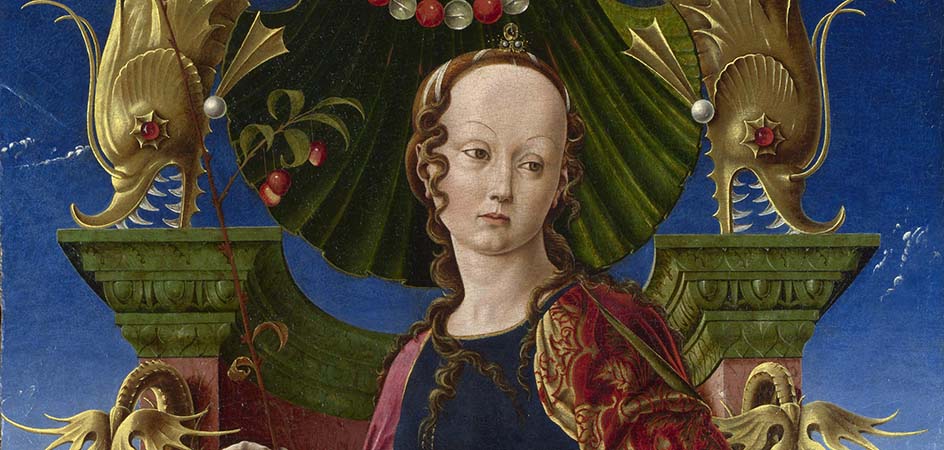
The beauty of ugliness: a fresh look at art between the 15th and 16th Centuries

Throughout the history of Western art, Ugliness has undergone a fascinating evolution. Initially viewed as a mere negation of beauty, it gradually acquired the status of an aesthetic category. This shift in taste and culture makes it even harder to define what is considered beautiful or ugly in art.
We’ve selected a few themes that highlight the concept of ugliness between the 15th and 16th centuries.

Read more »
michelangelo architetto
Insights

Sculpting space: discovering Michelangelo the architect

A supreme sculptor, an outstanding painter, Michelangelo was also an architect and writer – even though, by his own admission, he claimed he was neither. Yet he produced numerous verses in rhyme (published posthumously) and designed several buildings in both Florence and Rome. Many of his architectural projects were never even started, but among those that did take shape, we have chosen three that profoundly revolutionized traditional forms – an innovative spirit Michelangelo brought to every art form he mastered.

Read more »
opere d'arte mitologia greca perseo libera andromeda
Insights

Greek mythology: stories of gods and heroes in painting and sculpture

From its earliest origins to the dawn of civilization and beyond, Greek myth has never ceased to captivate writers, philosophers, and artists. It survived Roman conquests, barbarian invasions, Christian reinterpretations, and more, arriving down through the ages largely thanks to the works of painters and sculptors who immortalized its stories. From the Renaissance onward, gods, heroes, and ancient figures reemerged, rediscovered and celebrated for their feats or their political, ethical, and moral significance. Let’s explore some of the most famous masterpieces dedicated to classical mythology.

Read more »
rappresentazione annunciazione
Insights

The Annunciation in painting: a journey through the most enchanting depictions from the Middle Ages to the Renaissance

The Annunciation is one of the most recurring themes in Christian art: since the 6th century, painters and sculptors alike have tackled the portrayal of this sacred scene, each in their own distinct way. In this article, we’d like to recall a few examples produced between the Middle Ages and the Renaissance that, thanks to their qualities or the innovations they introduced, stand out from all the others.

Read more »
Shopping Cart

Get your 10% discount code now

Subscribe to our newsletter and receive a discount on your next purchase via email.

bearound-logo